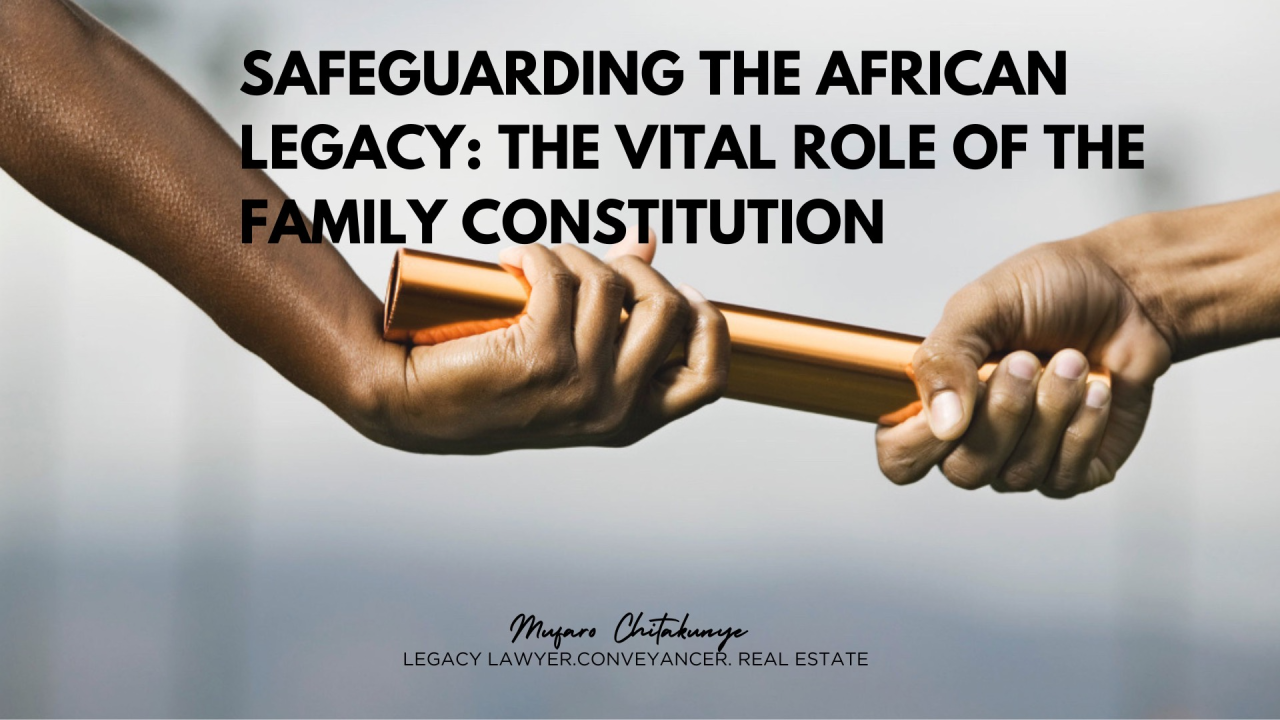

For centuries, African families have been defined not just by blood, but by identity, values, and responsibility. In Zimbabwe, your mutupo (totem) is more than a symbol. It is a statement of who you are, what you stand for, and the legacy you carry. Our ancestors preserved wisdom through ngano, proverbs, and ceremonies that guided children in understanding their place in the family and society. Every action, every lesson, every expectation was intentional, passing values from one generation to the next.
Our ancestors were rich not only in resources, but in vision. They thought beyond survival; they planned day to day and generation to generation. They knew that freedom, prosperity, and legacy came from structure, not just effort. In contrast, modern society often teaches us to think day to day, or even week to week. The primary goal of the poor is survival. The primary goal of the middle class is comfort. But the very rich? Their focus is freedom, freedom that comes from intentional planning, systems, and governance. And that is exactly why Family Constitutions are critical.
In our culture, the oldest child traditionally received the tsvimbo yemhuri, symbolizing leadership and responsibility. That role came with a clear understanding of family priorities and obligations. Today, a Family Constitution is the modern-day tsvimbo yemhuri it formalizes what our ancestors did intuitively, ensuring that even as the world rapidly changes, African families remain anchored to values while building enduring wealth.
A Family Constitution is the instrument that enables this kind of thinking. It defines:
· Who is part of the family and how new generations are integrated.
· Core family values, vision, and commitments
· Succession plans for leadership, businesses, and assets
· Rules for governance, decision-making, and conflict resolution
· How the family engages with philanthropy, community, and social responsibility.
Without a Family Constitution, families risk disputes, mismanaged wealth, and the erosion of identity. Businesses falter, relationships fracture, and children grow up without direction. With a constitution, families pass down more than property; they pass down values, clarity, and purpose.